Why an Empty Stomach Changes Everything
There’s a peculiar kind of hunger that hits when your stomach is truly empty—not the gentle “I could eat” feeling, but the hollow, slightly urgent sensation that makes everything sound appealing. In that moment, a spicy breakfast burrito, a strong cup of coffee, or a handful of raw veggies might seem like a perfectly reasonable choice. Your stomach, however, disagrees.
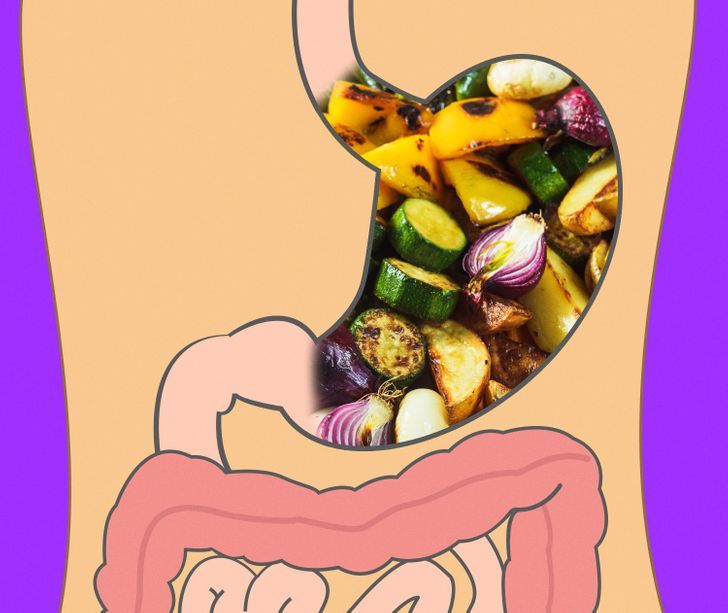
Eating on an empty stomach isn’t just about filling the void. When there’s no food buffer, certain substances hit your digestive system, bloodstream, and organs differently. Gastric acid that’s normally busy breaking down food becomes more concentrated and aggressive. Blood sugar swings happen faster and harder. Irritating compounds that would be diluted or slowed by other foods get direct access to your mucosal lining. Your body, in short, is less protected and more reactive.
This doesn’t mean you need a three-course meal before consuming anything. But it does mean that some foods — even healthy ones in other contexts — can cause real problems when they’re the first thing to land in your gut. We’re talking about stomach pain, acid reflux, blood sugar crashes, nausea, and in some cases, longer-term irritation that sets the stage for chronic issues.
Let’s walk through seven foods and beverages that are genuinely risky on an empty stomach, why they cause trouble, and what to eat instead when you’re starting your day or breaking a long fast.
1. Coffee (Especially Black Coffee)
Let’s address the elephant in the room first. For millions of people, the day doesn’t start until coffee does. And if you’re someone who reaches for a cup before eating anything, you might want to reconsider—or at least modify the habit.
Why it’s problematic:
Black coffee is highly acidic, with a pH around 5 (water is 7, and your stomach acid is 1–2). When your stomach is empty, that acidity isn’t diluted by food, and it can directly irritate the gastric mucosa—the protective lining of your stomach. Over time, this repeated irritation can contribute to gastritis, acid reflux, and, in susceptible individuals, stomach ulcers.
Caffeine also stimulates gastric acid production. On an empty stomach, this means a double hit: the natural acidity of the coffee plus the extra acid your stomach pumps out in response. The result? Heartburn; nausea; that jittery queasiness; and, for some people, diarrhea.
Beyond the stomach, caffeine on empty hits your bloodstream fast. Without food to slow absorption, you get a rapid spike in cortisol and adrenaline—stress hormones that are already naturally elevated in the morning. This can amplify anxiety, shakiness, and that infamous caffeine crash an hour later when blood sugar and energy plummet.
What happens in your body: Within 15–30 minutes of drinking black coffee on an empty stomach, gastric acid secretion increases, stomach pH drops, and caffeine absorption peaks quickly. If you’re prone to reflux, the lower esophageal sphincter (the valve between the stomach and esophagus) can relax inappropriately, allowing acid to flow upward.
The fix: Have something small before or with your coffee — even a banana, a piece of toast, or a handful of nuts. Add milk or a non-dairy alternative to buffer the acidity. If you’re intermittent fasting and determined to have coffee, consider cold brew (less acidic) or add a splash of cream to reduce the impact. Better yet, delay your coffee 30–60 minutes after waking and after eating something.
2. Citrus Fruits and Pure Citrus Juice
A glass of orange juice or a grapefruit first thing in the morning seems virtuous—vitamin C, hydration, and natural sugars for energy. But citrus on an empty stomach is asking for trouble.
Why it’s problematic:
Citrus fruits are highly acidic (pH 2–3 for lemon juice, 3–4 for orange juice). Their citric acid, combined with ascorbic acid (vitamin C), creates a highly acidic environment in an already empty, acid-prone stomach. Without food to buffer and dilute, this can cause heartburn, acid reflux, and stomach pain.
For people with gastroesophageal reflux disease (GERD) or a history of gastritis, citrus on an empty stomach is particularly risky. The acid can inflame the esophagus and stomach lining, triggering pain and potentially worsening existing damage.
The high sugar content of fruit juice—even 100% natural—is another issue. Without fiber, fat, or protein to slow absorption, that sugar hits your bloodstream rapidly, causing a sharp insulin spike followed by a crash that leaves you hungrier and more tired than before.
What happens in your body: Citric acid lowers stomach pH further. The high osmotic load of fruit juice draws water into the intestines, potentially causing cramping and diarrhea. Blood sugar rises quickly, insulin surges, and glucose drops — sometimes below baseline — within 1–2 hours.
The fix: Eat citrus with other foods. Pair orange slices with Greek yogurt, have grapefruit after eggs, or blend juice into a smoothie with protein and fat. If you want vitamin C in the morning, bell peppers or strawberries in a balanced meal are gentler options. Whole fruit is better than juice — the fiber slows sugar absorption and provides some buffering.
3. Spicy Foods
That leftover Thai curry or hot sauce-drenched eggs might call to you in the morning, but spicy food on an empty stomach is a gamble you usually lose.
Why it’s problematic:
Capsaicin, the active compound in chili peppers, is an irritant. That’s literally how it works — it binds to TRPV1 receptors, which normally detect heat and pain, creating that burning sensation. In a stomach with food present, capsaicin is diluted, and its effects are spread out. On an empty stomach, it contacts the gastric mucosa directly and intensely.
This direct irritation can cause stomach pain, cramping, nausea, and increased acid production. For people with sensitive stomachs, IBS, or existing gastritis, it can trigger significant discomfort and even diarrhea. Capsaicin also speeds up gut motility—the movement of food through your digestive tract—which on an empty stomach can mean urgent bathroom trips.
There’s also evidence that very spicy foods on an empty stomach may contribute to gastric mucosal injury over time, though this is more relevant with extremely high intake and in people with other risk factors.
What happens in your body: Capsaicin stimulates sensory nerve endings in the stomach, triggering pain signals and increased gastric acid secretion. The stomach responds by trying to clear the irritant faster, accelerating peristalsis. If there’s nothing else to move along, you’re left with cramping and potential diarrhea.
The fix: Save spicy foods for meals where they’re not the first thing in your stomach. If you love heat, start with something bland—rice, bread, or oatmeal—then add spice. Avoid spicy foods entirely if you have active gastritis, ulcers, or significant reflux.
4. Raw Cruciferous Vegetables
Kale, broccoli, cauliflower, cabbage, Brussels sprouts—nutritional superstars that can absolutely wreck an empty stomach.
Why it’s problematic:
Raw cruciferous vegetables are high in fiber (particularly insoluble fiber) and contain raffinose, a complex sugar that humans lack the enzyme to digest properly. When raffinose reaches your large intestine, bacteria ferment it, producing gas — lots of it. On an empty stomach, without other food to slow transit and dilute the effect, this fermentation hits harder and faster.
These vegetables also contain glucosinolates, sulfur-containing compounds that can irritate the stomach lining, especially when concentrated and undiluted. Raw broccoli or kale on an empty stomach can cause significant bloating, gas, cramping, and that uncomfortable “I swallowed a balloon” feeling.
The goitrogens in raw cruciferous veggies — compounds that can interfere with thyroid function — are another concern if consumed in large amounts on an empty stomach, though this is more relevant for people with existing thyroid conditions and very high intake.
What happens in your body: Undigested raffinose passes to the colon, where bacteria produce hydrogen, carbon dioxide, and methane. The high fiber content draws water into the intestines. The combination creates bloating, cramping, and flatulence. For some, this triggers diarrhea or painful gas pains.
The fix: Cook your cruciferous vegetables. Cooking breaks down some of the fiber and raffinose, making them far easier to digest. If you want them raw, eat them as part of a larger meal, not first thing. Fermented forms (sauerkraut and kimchi) are often better tolerated. Start with small portions if you’re not used to them.
5. Sugary Foods and Refined Carbohydrates
A pastry, donut, or even a big bowl of sugary cereal on an empty stomach is essentially a recipe for metabolic chaos.
Why it’s problematic:
Without protein, fat, or fiber to slow absorption, simple sugars hit your bloodstream almost immediately. Your pancreas responds with a massive insulin surge to shuttle that glucose into cells. The problem? The surge is often too aggressive, causing blood sugar to overshoot and then crash below baseline — the infamous “sugar crash.”
This rollercoaster leaves you hungry, irritable, shaky, and craving more sugar within an hour or two. Over time, repeated spikes can contribute to insulin resistance, the precursor to type 2 diabetes. On an empty stomach, the effect is amplified because there’s nothing else competing for digestive attention.
The rapid insulin response also promotes fat storage. When insulin is high, your body prioritizes storing energy, not burning it. Starting your day this way sets a metabolic tone that’s hard to recover from.
What happens in your body: Blood glucose rises sharply within 15–30 minutes. Insulin spikes. Glucose is rapidly cleared from blood, sometimes dropping below fasting levels (reactive hypoglycemia). Cortisol and adrenaline rise to counter the crash, creating anxiety and jitters. Ghrelin (hunger hormone) surges, driving cravings.
The fix: If you want something sweet, pair it with protein and fat. Greek yogurt with berries and nuts. Eggs with a small piece of whole-grain toast. An apple with almond butter. The combination smooths the glucose curve and keeps you satisfied longer. Better yet, skip the refined sugar entirely and choose complex carbohydrates with fiber.
6. Alcohol
This should be obvious, but it bears repeating because plenty of people do it: a morning mimosa, a beer with brunch, or a quick drink to “take the edge off” before eating.
Why it’s problematic:
Alcohol is absorbed directly through the stomach lining, and absorption is dramatically faster when there’s no food to slow it down. On an empty stomach, you feel the effects within minutes instead of the usual 30–60 minutes. This rapid absorption means higher peak blood alcohol concentration, increased intoxication, and greater impairment from the same amount of alcohol.
But the damage goes beyond getting drunk faster. Alcohol irritates the gastric mucosa and increases stomach acid production. On an empty stomach, this irritation is concentrated and can cause nausea, vomiting, and gastritis and, over time, contribute to stomach ulcers. Alcohol also interferes with nutrient absorption and can cause hypoglycemia, particularly dangerous for people with diabetes.
Your liver, which processes alcohol, is also working without the protective effects of food. The metabolic burden is higher, and the risk of alcohol-related inflammation increases.
What happens in your body: Alcohol passes quickly through the stomach into the small intestine, where most absorption occurs. Without food delay, blood alcohol rises rapidly. Gastric acid increases. The liver prioritizes alcohol metabolism over everything else, including glucose production, which can cause low blood sugar. Dehydration begins immediately.
The fix: Never drink alcohol on an empty stomach. If you’re going to drink, eat first — ideally something with fat and protein, which slows absorption most effectively. If you’re at a social event with appetizers, hit the food table before the bar. And honestly, if you find yourself regularly drinking before eating, it’s worth examining that habit more closely.
7. Tomatoes and Tomato Products
Tomatoes seem innocent enough—a slice on toast, a glass of tomato juice, leftover pasta sauce for breakfast. But tomatoes are surprisingly acidic and can cause real problems on an empty stomach.
Why it’s problematic:
Tomatoes contain both citric acid and malic acid, giving them a pH around 4.3–4.9—more acidic than many people realize. They’re also rich in tannins, which can increase stomach acid production. The combination of existing acidity plus acid stimulation, without food to buffer, can trigger heartburn, reflux, and stomach pain.
For people with GERD, gastritis, or a history of ulcers, tomatoes are a well-known trigger food. On an empty stomach, that trigger is pulled harder. Tomato juice is particularly problematic because it’s concentrated—more acid per volume than whole tomatoes—and often contains added salt, which further irritates the stomach lining.
Even cooked tomato products (sauce and soup) retain their acidity. The cooking process actually concentrates some compounds while breaking down others, but the overall acidic profile remains.
What happens in your body: Tomato acids lower stomach pH. Tannins stimulate additional acid secretion. Without food buffer, the acidic mixture contacts the gastric mucosa directly. The lower esophageal sphincter may relax, allowing acid reflux. For sensitive individuals, this causes burning, pain, and potential mucosal irritation.
The fix: Eat tomatoes as part of a meal, not as the first thing. Pair with protein, fat, or complex carbs. If you love tomato juice, dilute it or have it with food. For cooked tomato sauces, adding a pinch of baking soda can neutralize some acidity without ruining flavor. If you have GERD or gastritis, you may need to limit tomatoes regardless of when you eat them.
What to Eat Instead: The Empty-Stomach-Friendly List
If you’re genuinely hungry and need something before a full meal, or you’re breaking an overnight fast, these options are gentle, nourishing, and unlikely to cause the problems above:
- Oatmeal: Soluble fiber that absorbs stomach acid and provides sustained energy.
- Bananas: Natural antacid effect, easy to digest, potassium for electrolyte balance.
- Eggs: High-quality protein and fat that stabilize blood sugar and are gentle on the stomach.
- Greek yogurt: Protein, probiotics, and calcium. The protein slows digestion and buffers acidity.
- Whole-grain toast with nut butter: Complex carbs plus fat and protein for steady energy.
- Chia pudding or soaked oats: Gelatinous fiber that’s soothing and slow-digesting.
- Avocado: Healthy fats and fiber that are easy on the stomach and satisfying.
- Warm water with lemon (in moderation): While lemon is acidic, a small amount in warm water is diluted and can actually stimulate digestion gently for some people. Skip if you have reflux.
The pattern here is clear: protein, healthy fat, and fiber. These three macronutrients slow digestion, buffer acidity, stabilize blood sugar, and protect your stomach lining.
Special Considerations
Intermittent Fasting
If you practice intermittent fasting and your “breakfast” is technically lunch, your first meal still matters. After 16+ hours without food, your stomach is sensitive. Breaking a fast with coffee, spicy food, or raw vegetables is asking for trouble. Start with something gentle — bone broth, a small portion of cooked vegetables, eggs, or yogurt — and eat your more challenging foods later in the meal or at your next eating window.
Medications on an Empty Stomach
Some medications specifically require an empty stomach for proper absorption (thyroid medication, certain antibiotics, and osteoporosis drugs). If you must take these first thing, wait 30–60 minutes before eating and avoid the problematic foods and beverages listed above during that window. Water is your safest bet.
Morning Sickness
Pregnant women with nausea often struggle to eat anything in the morning. Small, bland snacks before getting out of bed (crackers, dry toast) can help settle the stomach before attempting a real meal. Avoid acidic or spicy foods entirely if they trigger vomiting.
The Bottom Line
Your stomach isn’t a garbage disposal that handles anything you throw into it, regardless of circumstances. When it’s empty, it’s vulnerable — more acidic, more reactive, and less protected. The foods on this list aren’t inherently evil; in fact, many are healthy in the right context. Coffee, citrus, cruciferous vegetables, and tomatoes are all nutritious choices — just not as your stomach’s first contact with the day.
The solution isn’t complicated: eat something gentle first, or pair problematic foods with protective ones. Have your coffee after breakfast. Eat your kale cooked or as part of a meal. Save the spicy curry for lunch when you’ve already got food in your system. Your stomach will thank you with fewer cramps, less reflux, steadier energy, and better long-term digestive health.
Pay attention to how your body responds. Some people can handle black coffee on empty with no issue; others feel nauseous for hours. Individual tolerance varies, but the physiological principles remain. When in doubt, buffer it out.
Your stomach has to deal with everything you eat for the rest of your life. The least you can do is not make its job harder before it even gets started.