The Cholesterol Conversation We Need to Have
Let’s start with a hard truth: there is no food that will drop your cholesterol overnight. Anyone promising a 48-hour cholesterol miracle is selling something — and it’s not science. Your body doesn’t work that way. Cholesterol is manufactured in your liver, regulated by complex feedback loops, and influenced by genetics, diet, weight, exercise, stress, and sleep. Changing it takes time.
But “fast” in the context of cholesterol means weeks to months, not years. And certain foods, when eaten consistently and in meaningful amounts, can produce measurable reductions in 4 to 12 weeks. Some can lower LDL (“bad”) cholesterol by 5 to 15%, and when combined, their effects stack.
The goal of this article isn’t to give you false hope. It’s to identify the foods with the strongest evidence, explain how they work, and show you how to incorporate them in amounts that actually matter. If you’re looking for a magic bullet, this isn’t it. If you’re looking for real, sustainable change backed by research, read on.
Understanding Cholesterol Basics (Briefly)
Your blood carries cholesterol in several packages:
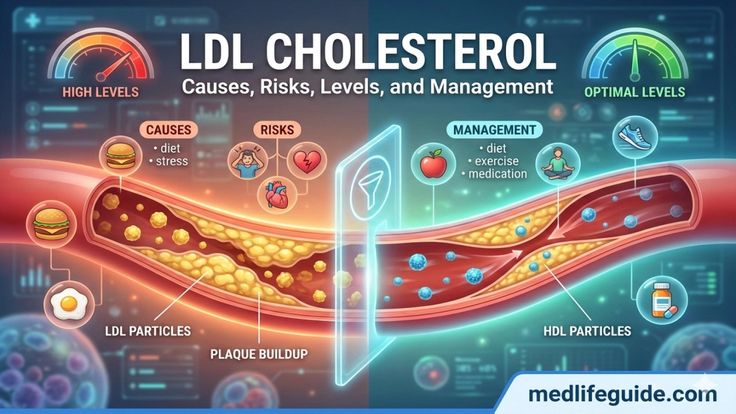
- LDL (low-density lipoprotein): Often called “bad” cholesterol. High levels contribute to plaque buildup in arteries.
- HDL (high-density lipoprotein): “Good” cholesterol. Helps transport cholesterol back to the liver for disposal.
- Triglycerides: A type of fat in your blood. High levels, often from excess sugar and refined carbs, also raise cardiovascular risk.
- Total cholesterol: The sum of all cholesterol in your blood.
Dietary cholesterol (from eggs and shellfish) has less impact on blood cholesterol than once believed. For most people, saturated fat and trans fat intake, fiber intake, and overall diet pattern matter far more.
Your liver produces about 80% of your cholesterol. The food you eat influences production, absorption, and clearance.
1. Oats and Barley: The Soluble Fiber Powerhouses
Soluble fiber is the single most proven dietary cholesterol fighter. It works by binding bile acids — which contain cholesterol — in your intestines and carrying them out in stool. Your liver then pulls cholesterol from your blood to make new bile acids, lowering circulating LDL.
Oats contain beta-glucan, a particularly effective soluble fiber. Research consistently shows that 3 grams of beta-glucan daily (about 1.5 cups cooked oatmeal) lowers LDL cholesterol by 5 to 10%.
Barley contains even more beta-glucan than oats and has similar effects. It’s underutilized in Western diets but deserves more attention.
How to use it:
- Start your day with oatmeal. Not the sugary packets — plain rolled or steel-cut oats with berries, nuts, and cinnamon.
- Add barley to soups, stews, and salads. It has a pleasant chewy texture.
- Try oat bran in smoothies or baked goods for concentrated beta-glucan.
Target: 5 to 10 grams of soluble fiber daily from all sources. Oats and barley should be your foundation.
2. Beans and Lentils: Fiber Plus Plant Protein
Legumes are cholesterol-lowering triple threats: high in soluble fiber, high in plant protein, and low in saturated fat. Meta-analyses show that eating about 1 cup of beans or lentils daily reduces LDL cholesterol by approximately 5 to 8%.
The fiber binds cholesterol and bile acids. The plant protein displaces animal protein, reducing saturated fat intake. And legumes have a low glycemic index, which improves metabolic health beyond cholesterol.
How to use it:
- Replace meat with beans in tacos, chili, and pasta dishes.
- Add lentils to soups and salads.
- Snack on hummus (chickpeas).
- Keep canned beans on hand for quick meals. Rinse to reduce sodium.
Target: Aim for legumes at least 4 to 5 days per week, working up to daily.
3. Nuts: Small Amounts, Big Impact
Nuts are calorie-dense, so portion control matters. But the evidence for their cholesterol benefits is remarkably consistent. A meta-analysis of 25 trials found that eating about 2 to 3 ounces (a small handful) of nuts daily reduces LDL cholesterol by roughly 7 to 10%.
The mechanism involves multiple factors: unsaturated fats replace saturated fats, plant sterols block cholesterol absorption, fiber binds cholesterol, and arginine (an amino acid) supports vascular health. Walnuts are particularly notable for their omega-3 content.
How to use it:
- A small handful as a snack (measure—it’s easy to overeat).
- Chopped nuts on oatmeal, yogurt, or salads.
- Nut butters without added sugar or hydrogenated oils.
Target: 1.5 to 2 ounces daily. Choose unsalted, raw, or dry-roasted. Almonds, walnuts, pistachios, and pecans are all excellent.
4. Fatty Fish: Omega-3s for Triglycerides and Beyond
Fatty fish doesn’t directly lower LDL cholesterol as dramatically as fiber. What it does is reduce triglycerides (often by 20 to 30%), raise HDL modestly, and reduce inflammation — all of which improve overall cardiovascular risk.
Salmon, mackerel, sardines, herring, and trout are the best sources. The omega-3 fatty acids EPA and DHA are the active compounds.
How to use it:
- Eat fatty fish 2 to 3 times per week.
- Canned sardines and salmon are affordable and convenient.
- If you don’t eat fish, an algae-based omega-3 supplement provides DHA and EPA.
Target: 2 to 3 servings weekly. This displaces red meat, which indirectly helps LDL by reducing saturated fat intake.
5. Avocados: Monounsaturated Fat Done Right
Avocados are rich in monounsaturated fats, which lower LDL when they replace saturated fats in the diet. They’re also high in fiber (about 10 grams per avocado) and plant sterols, which block cholesterol absorption.
A 2015 study found that eating one avocado daily as part of a moderate-fat diet reduced LDL cholesterol more than a low-fat diet without avocado. The effect was modest but meaningful — about a 5% LDL reduction.
How to use it:
- On whole-grain toast with eggs or tomatoes.
- In smoothies for creaminess.
- Sliced on salads, tacos, or grain bowls.
- As a replacement for butter or mayonnaise.
Target: Half to one avocado daily, adjusted for your calorie needs.
6. Extra Virgin Olive Oil: Liquid Gold for Your Arteries
Olive oil is the cornerstone of the Mediterranean diet, which is consistently associated with lower cardiovascular risk. The monounsaturated fats in extra virgin olive oil reduce LDL and raise HDL. The polyphenols — antioxidant compounds — protect LDL from oxidation, which is when it becomes truly dangerous.
Extra virgin matters. It’s less processed, retains more polyphenols, and has stronger anti-inflammatory effects than refined olive oil.
How to use it:
- Salad dressings (with lemon and vinegar).
- Drizzled over cooked vegetables.
- For low-to-medium-heat cooking. (Contrary to myth, high-quality extra virgin olive oil is fine for most home cooking.)
- Replace butter and other fats in baking where appropriate.
Target: 2 to 3 tablespoons daily, replacing other fats rather than adding on top.
7. Soy Foods: The Controversial Contender
Soy’s reputation has been battered by misinformation, but the evidence for cholesterol reduction is solid. Soy protein contains isoflavones and other compounds that modestly reduce LDL. The FDA previously allowed a health claim for 25 grams of soy protein daily reducing heart disease risk.
Meta-analyses show that about 25 grams of soy protein daily lowers LDL by roughly 3 to 5%. It’s not dramatic, but it’s real, and soy foods offer other benefits: complete plant protein, fiber, and minerals.
How to use it:
- Edamame as a snack or in stir-fries.
- Tofu in scrambles, stir-fries, and soups.
- Tempeh (fermented soy) — more digestible and higher in protein.
- Unsweetened soy milk (check that it’s whole soy, not isolate).
Target: 1 to 2 servings of whole soy foods daily if you tolerate them.
8. Plant Sterols and Stanols: Nature’s Cholesterol Blockers
Plant sterols and stanols are compounds structurally similar to cholesterol. They compete with dietary cholesterol for absorption in the intestines, effectively blocking it. The effect is potent: 2 grams daily can lower LDL by 6 to 15%.
Your body makes some sterols, and you get small amounts from nuts, seeds, legumes, fruits, and vegetables. But to get therapeutic doses, fortified foods or supplements are usually necessary.
How to use it:
- Fortified margarines and spreads (Benecol, Smart Balance HeartRight).
- Fortified orange juice or yogurt drinks.
- Supplements if you prefer.
Target: 2 grams daily. This is one of the few cases where a fortified food or supplement may be worth considering for cholesterol management.
The Synergy Effect: Why Combining Matters
None of these foods works in isolation. The Portfolio Diet—developed by Dr. David Jenkins at the University of Toronto—combines all these elements: soluble fiber, plant protein, nuts, plant sterols, and healthy fats. Studies show it can reduce LDL cholesterol by 20 to 30%, comparable to statin medications for some people.
The key is consistent, meaningful intake. A sprinkle of oats here and a handful of nuts there won’t move the needle. You need therapeutic doses, sustained over weeks.
What to Limit or Avoid
Lowering cholesterol isn’t just about adding good foods. It’s also about reducing what raises LDL:
- Saturated fat: Red meat, butter, cheese, cream, coconut oil, palm oil. Limit to less than 7% of calories.
- Trans fat: Partially hydrogenated oils, some baked goods, and fried foods. Avoid entirely—even small amounts raise LDL and lower HDL.
- Refined carbohydrates and added sugars: These raise triglycerides and can lower HDL, worsening your lipid profile even if LDL stays stable.
Realistic Timeline and Expectations
- 2 to 4 weeks: You may see modest changes if you make dramatic dietary shifts.
- 6 to 12 weeks: Meaningful, measurable LDL reductions appear on blood tests.
- 3 to 6 months: Full effects of sustained dietary change.
Get your cholesterol checked before starting major changes, then recheck at 6 to 12 weeks. This gives you objective feedback on what’s working.
When Diet Isn’t Enough
Some people have familial hypercholesterolemia—a genetic condition causing extremely high LDL regardless of diet. Others have LDL that’s stubbornly elevated despite excellent habits. Statins and other medications are safe, effective, and sometimes necessary. Diet and medication aren’t mutually exclusive; they work better together.
The Bottom Line
There are no overnight cholesterol fixes. But there are foods that, eaten consistently and in sufficient amounts, produce real, measurable improvements in weeks to months. Oats, beans, nuts, fatty fish, avocados, olive oil, soy, and plant sterols are your evidence-based arsenal.
The “fast” in this context means faster than years of gradual decline, faster than hoping exercise alone will fix it, and faster than doing nothing. It means taking control with tools that work.
Start with one or two foods from this list. Build from there. Track your progress. And remember: every percentage point of LDL reduction translates to real cardiovascular risk reduction. Small changes, sustained, compound into significant protection.
Your arteries are worth the effort.