The Body’s Daily Health Report Card
Let’s talk about something most people glance at and flush away without a second thought: your urine. It might not be dinner conversation material, but your pee is one of the most accessible, real-time health indicators your body produces. Every time you go, you’re getting a free diagnostic test — no appointment, no co-pay, no waiting room.
Urine is essentially your body’s waste filtration report. Your kidneys process about 120 to 150 quarts of blood daily, filtering out toxins, excess nutrients, metabolic byproducts, and anything else your body doesn’t need. What’s left is urine—a solution of water, salts, urea, creatinine, and various other compounds. The color, clarity, smell, and even foaminess of that liquid tell a surprisingly detailed story about your hydration, diet, medications, and sometimes your underlying health.
Most of the time, urine color variations are completely benign — a result of what you ate, how much water you drank, or a vitamin supplement. But sometimes, color changes signal something that needs attention. Learning to read these signals means you can spot potential issues early, avoid unnecessary anxiety about harmless changes, and know when to actually call a doctor.
So before you flush next time, take a look. Here’s what your urine color might be trying to tell you.
The Color Spectrum: What Each Shade Means
Pale Yellow to Straw: The Gold Standard
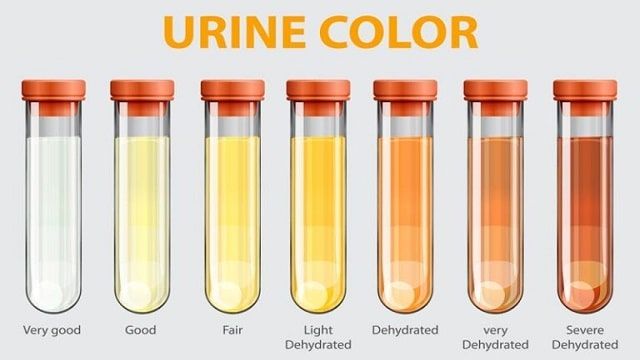
If your urine is a light, transparent yellow—like lemonade or straw—congratulations, you’re probably well-hydrated. This is the color to aim for.
The yellow tint comes from urochrome (also called urobilin), a pigment produced when your body breaks down hemoglobin from old red blood cells. The more water you drink, the more diluted this pigment becomes, and the lighter your urine appears.
What it means: Your kidneys are happy, your hydration is on point, and your body is efficiently clearing waste. Keep doing what you’re doing.
Clear or Colorless: Too Much of a Good Thing?
Completely clear urine might seem ideal — after all, isn’t more water always better? Not necessarily.
If your urine is consistently clear, you might be overhydrating. While rare, drinking excessive amounts of water can dilute electrolytes in your blood, particularly sodium, leading to a condition called hyponatremia. This can cause headaches, nausea, confusion, and in severe cases, seizures.
What it means: You don’t need to panic about a few clear pees, especially after chugging water post-workout. But if your urine is always clear, consider whether you’re forcing fluids beyond thirst. Drink when thirsty, and let your urine color guide you toward that pale yellow target rather than crystal clear.
Dark Yellow or Amber: Time to Drink Up
When urine shifts from pale yellow to deep yellow or amber, the message is usually simple: you need more water.
Concentrated urine contains more urochrome relative to water, creating that darker shade. This commonly happens first thing in the morning (you haven’t drunk water in hours), after intense exercise with heavy sweating, during hot weather, or simply when you’ve been too busy to hydrate.
What it means: Dark yellow urine is usually just dehydration—easily fixed. Increase your fluid intake and watch the color lighten over the next few hours. If it doesn’t improve with hydration, or if it’s accompanied by other symptoms, read on.
Orange: Carrots, Meds, or Something More?
Orange urine can be startling, but it’s often harmless.
Common benign causes:
- Beta-carotene overload: Eating large amounts of carrots, sweet potatoes, or pumpkin can tint urine orange.
- Vitamin B complex: Some B vitamins, particularly riboflavin (B2), can produce bright yellow to orange urine.
- Medications: Phenazopyridine (a urinary pain reliever), rifampin (an antibiotic), and some laxatives containing senna can turn urine orange.
When to pay attention: If you haven’t consumed these foods or medications and your urine is persistently orange, especially with pale stools and yellowing skin or eyes, it could indicate a liver or bile duct problem. Jaundice from liver dysfunction causes bilirubin to build up and exit through urine, creating a dark orange or tea-like color.
What to do: Rule out foods and meds first. If orange urine persists without explanation, or you notice yellowing eyes or skin, see a doctor.
Red or Pink: Food, Blood, or Rare Conditions
Seeing red in the toilet bowl is enough to make anyone’s heart skip a beat. But before you panic, consider what you’ve eaten.
Foods that cause red or pink urine:
- Beets (beeturia—affects about 10–14% of people, due to genetics affecting beet pigment metabolism)
- Blackberries, rhubarb, and red food coloring
Medications that cause red urine:
- Rifampin (antibiotic)
- Phenazopyridine (urinary analgesic)
When it’s actually blood (hematuria): If food and meds are ruled out, red or pink urine may indicate blood in the urine. This can stem from:
- Urinary tract infections (UTIs): Often accompanied by burning, urgency, and frequent urination.
- Kidney stones: Usually causes severe flank pain along with blood.
- Kidney disease: Including glomerulonephritis.
- Prostate issues: In men, an enlarged prostate or prostatitis can cause bleeding.
- Cancer: Bladder, kidney, or prostate cancer can present with painless hematuria—particularly concerning in people over 40.
- Menstrual contamination: For women, menstrual blood can mix with urine.
What to do: If you haven’t eaten beets or taken these medications, and especially if red urine is accompanied by pain, clots, or persists beyond a day, see a healthcare provider promptly. Painless blood in urine always warrants investigation.
Brown or Tea-Colored: Dehydration or Something Serious?
Brown urine looks alarming, and sometimes it should be.
Common causes:
- Severe dehydration: Extremely concentrated urine can appear brown. This should lighten rapidly with hydration.
- Medications: Metronidazole, nitrofurantoin, methocarbamol, and some antimalarial drugs can cause brown urine.
- Foods: Fava beans, rhubarb, and aloe can occasionally darken urine.
Medical concerns:
- Liver disease: Hepatitis, cirrhosis, or blocked bile ducts can cause bilirubin to spill into urine, creating a dark brown or tea color. Often accompanied by jaundice (yellow skin and eyes), pale stools, and abdominal pain.
- Muscle breakdown (rhabdomyolysis): Extreme muscle damage releases myoglobin, which turns urine dark brown or cola-colored. This is a medical emergency, often caused by severe overexertion, crush injuries, or certain medications. Accompanied by severe muscle pain and weakness.
- Porphyria: A rare genetic disorder affecting heme production.
What to do: If hydration doesn’t quickly restore normal color, or if brown urine is accompanied by muscle pain, weakness, jaundice, or abdominal symptoms, seek medical care immediately.
Blue or Green: Rare but Usually Benign
Blue or green urine is uncommon but not necessarily dangerous.
Causes:
- Food dyes: Brightly colored candies, drinks, or ice cream.
- Medications: Amitriptyline, indomethacin, propofol, and the urinary tract analgesic Uribel can cause blue or green urine.
- Pseudomonas infection: A UTI caused by Pseudomonas aeruginosa bacteria can produce blue-green urine due to bacterial pigments.
- Familial benign hypercalcemia: A rare genetic condition.
What to do: Rule out foods and medications. If unexplained blue-green urine persists, especially with UTI symptoms, get checked.
Purple: The Very Rare “Purple Urine Bag Syndrome”
Yes, this exists. Purple urine bag syndrome occurs in catheterized patients with UTIs, where certain bacteria interact with dietary compounds to create purple urine. It’s rare, associated with constipation and bacterial overgrowth, and resolves with infection treatment.
Foamy or Bubbly: Protein Alert?
Urine that looks foamy or bubbly — like a freshly poured beer — can indicate excess protein in the urine (proteinuria). Healthy kidneys filter waste while retaining proteins. When kidneys are damaged, protein leaks through.
Other causes of foamy urine:
- Dehydration: Concentrated urine can foam more.
- Rapid urination: Hitting the water hard creates bubbles.
- Toilet cleaning chemicals: Residue can cause foaming.
When to worry: If foamy urine persists and isn’t explained by the above, especially with swelling in legs or face, fatigue, or other symptoms, get your kidney function checked.
Factors That Influence Urine Color Beyond Hydration
Medications and Supplements
Many drugs alter urine color without indicating any health problem:
- Vitamin B2 (riboflavin): Bright yellow
- Vitamin C: Can make urine more acidic and slightly darker
- Iron supplements: Dark green or black
- Metronidazole: Dark brown
- Rifampin: Red-orange
- Phenazopyridine: Orange to red
Always check medication side effects if you notice color changes.
Foods and Food Dyes
Beyond beets and carrots, artificial dyes in processed foods, sports drinks, and candies can produce surprising colors. Your body excretes what it can’t use.
Exercise
Intense exercise can cause temporary changes:
- Dark urine: Dehydration from sweating.
- Red/brown urine: Exercise-induced hematuria (minor bleeding from bladder irritation) or myoglobinuria from muscle breakdown. The latter is dangerous—if urine is cola-colored after extreme exertion, seek care.
Medical Conditions
Persistent color changes can indicate:
- Diabetes: Sweet or fruity-smelling urine, frequent urination, very pale or clear urine from excessive thirst and urination.
- Kidney disease: Foamy urine, blood, or abnormal colors.
- Liver disease: Dark urine with jaundice.
- UTIs: Cloudy, foul-smelling urine with burning.
- Porphyria: Various unusual colors.
When to See a Doctor
Most urine color changes are temporary and harmless. But certain situations warrant professional evaluation:
Seek immediate care if:
- Urine is red or pink without dietary cause, especially with pain or clots.
- Brown, tea-colored, or cola-colored urine, especially with muscle pain or weakness.
- Inability to urinate or severe pain with urination.
- Fever with back pain and urinary symptoms (possible kidney infection).
Schedule an appointment if:
- Persistent foamy urine.
- Unexplained color changes lasting more than a day or two.
- Frequent urination with excessive thirst.
- Any concerning change accompanied by fatigue, swelling, jaundice, or abdominal pain.
How to Keep Your Urine (and Kidneys) Healthy
Stay Appropriately Hydrated
Aim for pale yellow urine. General guidelines suggest about 8 cups (2 liters) of fluid daily, but needs vary with activity level, climate, and body size. Thirst is a reliable guide for most healthy people. Drink more when sweating, in hot weather, or during illness.
Don’t Hold It
Regularly delaying urination can increase UTI risk and put unnecessary pressure on your bladder and kidneys. Go when you need to.
Eat a Kidney-Supporting Diet
- Limit sodium: Excess salt makes kidneys work harder and contributes to hypertension.
- Moderate protein: Very high protein diets strain kidneys over time.
- Eat fruits and vegetables: Potassium-rich foods support healthy blood pressure and kidney function (unless you have kidney disease requiring potassium restriction).
- Limit processed foods: High in sodium, phosphorus additives, and artificial ingredients.
Avoid Excessive NSAID Use
Frequent use of ibuprofen, naproxen, and similar drugs can damage kidneys. Use the lowest effective dose for the shortest time, and avoid if you have kidney issues.
Monitor Chronic Conditions
Diabetes and high blood pressure are the leading causes of kidney disease. Managing these conditions protects your kidneys and, by extension, your urine’s appearance.
The Bottom Line: Look Before You Flush
Your urine color is a free, daily health check that takes zero extra effort. Most variations are harmless — reflections of hydration, diet, or medications. But persistent or dramatic changes, especially when accompanied by other symptoms, are worth taking seriously.
You don’t need to become obsessive about monitoring every bathroom trip. But developing a general awareness of what’s normal for you means you’ll notice when something’s off. And that awareness might just catch a problem early, when it’s most treatable.
So do yourself a favor: take a quick look next time. Your kidneys are sending you a message. It only takes a second to read it.