Why Your Gut Runs Everything
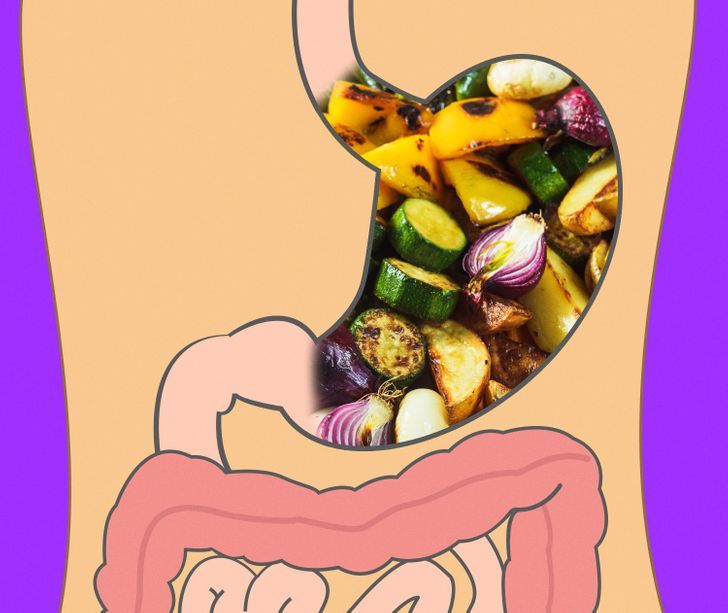
You have about 30 feet of tubing inside you that most people think of as a simple food processor. Stuff goes in, nutrients get absorbed, waste comes out. End of story.
Except it’s not even close to the end. Your gut is one of the most complex, influential systems in your entire body. It houses roughly 100 trillion microorganisms—bacteria, fungi, viruses, and archaea—collectively known as your gut microbiome. These aren’t passive passengers. They’re active participants in your digestion, immune function, mood regulation, hormone balance, metabolism, and even the clarity of your thinking.
The gut is often called the “second brain” because it contains its own nervous system—the enteric nervous system—with over 100 million neurons that communicate constantly with your actual brain via the vagus nerve. About 70% of your immune system resides in gut-associated lymphoid tissue. Your gut produces neurotransmitters: roughly 90% of your serotonin, significant amounts of dopamine, and gamma-aminobutyric acid (GABA).
When your gut is healthy, you barely notice it. When it’s not, the effects ripple everywhere: bloating, irregular bowel movements, food intolerances, skin issues, fatigue, anxiety, brain fog, autoimmune flares, and chronic inflammation.
The good news? Your microbiome is remarkably responsive to change. Research shows that dietary shifts can alter gut bacterial composition within 24 to 48 hours. Meaningful, lasting improvement typically takes weeks to months, but a dedicated 30-day reset can establish the habits and momentum that carry forward.
This guide isn’t about perfection. It’s about giving your gut the support it needs to do its job, removing the things that sabotage it, and building sustainable practices. No expensive supplements required. No extreme protocols. Just consistent, evidence-based action.
Understanding the Basics (Days 1–3)
Before changing anything, understand what you’re working with.
What “Gut Health” Actually Means
Gut health isn’t one thing. It’s a combination of:
- Microbial diversity: A wide variety of bacterial species, which correlates with better health outcomes
- Beneficial species dominance: More good bacteria (Bifidobacteria, Lactobacillus, Akkermansia, Faecalibacterium prausnitzii) than harmful or opportunistic ones
- Intestinal barrier integrity: The gut lining acts as a selective barrier—letting nutrients in and keeping toxins and pathogens out. When this barrier is compromised (“leaky gut”), inflammation follows
- Digestive function: Proper stomach acid, enzyme production, bile flow, and motility
- Gut-brain communication: Healthy signaling between gut and brain via the vagus nerve and chemical messengers
Your Starting Point Assessment
For the first three days, don’t change anything. Just observe and record:
- Bowel movements: Frequency, consistency (Bristol Stool Chart), ease, completeness
- Bloating: When it happens, what triggers it, severity
- Energy levels: Especially after meals
- Skin condition: Breakouts, rashes, redness
- Mood and cognition: Anxiety, brain fog, irritability
- Food reactions: Any symptoms after specific foods
This baseline matters. You can’t measure progress without knowing where you started.
Week 1: Remove the Damage (Days 4–10)
Your first week focuses on eliminating what harms your gut. Think of it as stopping the bleeding before you start healing.
Cut Ultra-Processed Foods
These are the biggest gut disruptors in the modern diet. Ultra-processed foods — packaged snacks, fast food, frozen meals, sugary cereals, most things with ingredient lists you can’t pronounce — contain:
- Emulsifiers and thickeners: Carboxymethylcellulose, polysorbate-80, and similar compounds disrupt the mucus layer that protects your gut lining and feed inflammatory bacteria
- Artificial sweeteners: Sucralose, aspartame, saccharin, and even “natural” alternatives like stevia in large amounts can alter microbiome composition and impair glucose tolerance
- Refined oils: High omega-6 intake promotes inflammation
- Excess sugar: Feeds harmful bacteria and yeasts, promotes dysbiosis
- Low fiber: Starves beneficial bacteria
Action: If it comes in a package with more than five ingredients or ingredients you wouldn’t find in a home kitchen, skip it for 30 days.
Eliminate or Reduce Alcohol
Alcohol is a gut irritant and disruptor. It:
- Damages the intestinal barrier
- Alters microbiome composition, reducing beneficial species
- Impairs nutrient absorption
- Increases intestinal permeability
- Feeds inflammatory processes
Action: Eliminate entirely for 30 days if possible. If that’s not realistic, limit yourself to one drink weekly and never on an empty stomach.
Cut Back on Added Sugar
Not just for weight — for your microbiome. High sugar intake promotes the growth of Proteobacteria, a phylum associated with inflammation and dysbiosis, while reducing beneficial Firmicutes and Bacteroidetes.
Action: Keep added sugar under 25 grams daily. Read labels — sugar hides everywhere.
Reduce Inflammatory Oils
Vegetable oils high in omega-6 fatty acids—soybean, corn, canola, sunflower, and safflower—promote inflammation when consumed in excess relative to omega-3s. The modern diet has an omega-6 to omega-3 ratio of roughly 15:1 to 20:1; our ancestors evolved on closer to 1:1 or 2:1.
Action: Cook with olive oil, avocado oil, or coconut oil. Eliminate fried foods and check labels for hidden vegetable oils.
Pause NSAIDs if possible.
Non-steroidal anti-inflammatory drugs (ibuprofen, naproxen, and aspirin) damage the gut lining and increase intestinal permeability with regular use.
Action: If you take NSAIDs frequently, talk to your doctor about alternatives. For occasional pain, consider whether it’s truly necessary.
Week 2: Feed the Good Bacteria (Days 11–17)
Now that you’ve removed the worst offenders, start actively nourishing beneficial microbes.
Dramatically Increase Fiber
Fiber is the primary fuel for your gut bacteria. When they ferment fiber, they produce short-chain fatty acids (SCFAs)—butyrate, acetate, and propionate—which:
- Feed colon cells (butyrate is their preferred energy source)
- Reduce inflammation
- Strengthen the gut barrier
- Regulate appetite and metabolism
- Support immune function
Most people eat 15 grams of fiber daily. Aim for 30–40 grams by day 30.
Action: Add one new high-fiber food daily. Legumes, oats, berries, chia seeds, flaxseeds, vegetables, and whole grains are excellent sources. Increase gradually—sudden massive fiber increases cause bloating and gas as bacteria adjust.
Eat 30 Different Plants Per Week
This is one of the most impactful changes you can make. The American Gut Project found that people who ate 30 or more different plant types per week had significantly more diverse microbiomes than those eating 10 or fewer.
“Plants” includes vegetables, fruits, whole grains, legumes, nuts, seeds, herbs, and spices. Variety matters more than quantity of any single food. Different plants feed different bacteria.
Action: Start tracking. A stir-fry with bell peppers, broccoli, carrots, garlic, ginger, and sesame seeds counts as six. Oatmeal with blueberries, walnuts, and flaxseed counts as four. Build variety into every meal.
Add Fermented Foods
Fermented foods contain live microorganisms that can temporarily or permanently colonize your gut, depending on the strain and your existing microbiome. They also contain beneficial metabolites produced during fermentation.
Research from Stanford in 2021 found that a diet high in fermented foods increased microbiome diversity and decreased inflammatory markers over 10 weeks.
Action: Add one serving daily. Options include:
- Sauerkraut or kimchi (unpasteurized, refrigerated)
- Kefir or plain yogurt with live cultures
- Kombucha (low-sugar varieties)
- Miso
- Tempeh
- Natto
- Traditional pickles (fermented, not vinegar-based)
Start with small amounts if you’re not used to them—they can cause temporary gas as your microbiome adjusts.
Include Prebiotic Foods
Prebiotics are specific fibers that selectively feed beneficial bacteria. Think of them as fertilizer for your good microbes.
Top prebiotic sources:
- Garlic, onions, leeks, shallots (alliums)
- Jerusalem artichoke (sunchoke)
- Asparagus
- Bananas (slightly green)
- Oats
- Barley
- Apples
- Flaxseeds
- Chicory root
- Dandelion greens
Action: Include at least one prebiotic food daily.
Week 3: Repair and Seal (Days 18–24)
With harmful inputs reduced and beneficial bacteria fed, focus on gut barrier integrity and digestive function.
Support Stomach Acid
Contrary to popular belief, heartburn and reflux are often caused by too little stomach acid, not too much. Low acid allows food to sit, ferment, and push back up. It also means poor protein digestion and reduced protection against pathogens.
Signs of low stomach acid: bloating after meals, feeling overly full, undigested food in stool, heartburn, and multiple food sensitivities.
Action:
- Don’t drink large amounts of liquid with meals (dilutes acid)
- Eat bitter foods before meals: arugula, dandelion greens, bitter melon
- Consider a tablespoon of apple cider vinegar in water before meals (skip if you have active ulcers or severe reflux)
- Eat slowly and chew thoroughly
- Manage stress before eating—stress shuts down digestion
Add Collagen and Glycine-Rich Foods
Collagen contains amino acids that support gut lining repair, particularly glycine, proline, and glutamine.
Action: Include bone broth, slow-cooked meats with connective tissue, or a quality collagen peptide supplement. Aim for 10–15 grams of collagen daily if supplementing.
Prioritize Omega-3 Fatty Acids
Omega-3s reduce intestinal inflammation and support barrier function.
Action: Eat fatty fish (salmon, sardines, mackerel) 2–3 times weekly. Add walnuts, chia seeds, and flaxseeds. Consider a high-quality fish oil supplement if you don’t eat fish.
Manage Stress Actively
Chronic stress is a gut destroyer. Cortisol and adrenaline divert blood flow away from digestion, increase intestinal permeability, alter microbiome composition, and impair immune function in the gut.
Action: Daily stress management isn’t optional for gut health. Options:
- 10 minutes of diaphragmatic breathing
- Brief walks after meals
- Meditation or mindfulness apps
- Yoga or gentle movement
- Time in nature
- Social connection
- Adequate sleep (more on this below)
Pick one and do it daily. Consistency beats intensity.
Consider Targeted Supplements (Optional)
If budget allows, a few supplements have decent evidence:
- Probiotics: Strain-specific matters. Lactobacillus rhamnosus GG and Bifidobacterium longum have the strongest general evidence. Take for 4–8 weeks and then reassess.
- L-glutamine: 5 grams daily may support gut barrier repair.
- Zinc carnosine: Supports mucosal healing and barrier integrity.
- Deglycyrrhizinated licorice (DGL): Soothes and supports the gut lining.
Don’t rely on supplements as a substitute for dietary changes. They’re adjuncts, not foundations.
Week 4: Lock In the Habits (Days 25–30)
The final week is about making these changes automatic and addressing remaining pieces.
Optimize Sleep
Poor sleep disrupts the microbiome, increases intestinal permeability, and impairs glucose regulation—all bad for gut health. One night of sleep deprivation alters microbiome composition measurably.
Action: Aim for 7–9 hours, a consistent schedule, a dark cool room, and no screens 1 hour before bed. If you struggle with sleep, prioritize this as much as diet.
Move Your Body Daily
Physical activity independently improves microbiome diversity and gut motility. It doesn’t need to be intense.
Action: 30 minutes of walking daily minimum. Add resistance training 2–3 times weekly if possible.
Eat Mindfully
How you eat matters as much as what you eat. Eating while stressed, rushed, or distracted impairs digestion.
Action: Sit down for meals. Take 5 deep breaths before eating. Chew thoroughly (aim for 20–30 chews per bite). Put your fork down between bites. Notice flavors and textures. Stop at 80% fullness.
Reintroduce Carefully (If You Eliminated Foods)
If you cut out gluten, dairy, or other foods during this month, don’t just plunge back in. Reintroduce one food at a time, eat it for 2–3 days, and observe symptoms. This helps identify true sensitivities versus temporary reactions.
Reassess Your Baseline
Compare your current state to your day 1–3 observations:
- Bowel movement frequency and quality
- Bloating levels
- Energy after meals
- Skin condition
- Mood and cognition
- Food reactions
Celebrate improvements. Note what still needs work. Gut healing is a marathon, not a sprint.
What to Expect: The Realistic Timeline
Days 1–7: You may feel worse before feeling better. Removing processed foods and sugar can cause temporary withdrawal symptoms: headaches, irritability, and fatigue. Increasing fiber too quickly causes gas and bloating. This is normal. Go slow with fiber increases and stay hydrated.
Days 8–14: Energy often improves. Bowel movements may be regulated. Sugar cravings diminish. Some people notice clearer skin or reduced bloating.
Days 15–21: Microbiome shifts become more established. You may notice improved mood, better mental clarity, more stable energy, and fewer food reactions.
Days 22–30: Habits feel more natural. Digestive symptoms continue improving. You have a clearer sense of what foods work for your body and what doesn’t.
Beyond 30 days: The real benefits compound. Microbiome diversity increases, inflammation drops, metabolic health improves, and immune function strengthens. But only if you maintain the habits.
Common Mistakes to Avoid
Going too fast: Dramatic fiber increases without gradual adaptation cause painful gas and bloating. Increase by 5 grams every few days.
Relying on supplements alone: Probiotics won’t fix a diet of processed food. Food first, supplements second.
Ignoring stress and sleep: You can eat perfectly and still have gut issues if you’re chronically stressed and sleep-deprived.
Being too restrictive long-term: Elimination diets are tools, not lifestyles. Reintroduce foods and expand your diet over time. Long-term restriction reduces microbiome diversity.
Expecting miracles in a week: Gut healing takes time. Commit to the full 30 days before judging results.
The Bottom Line
Your gut health isn’t determined by a single superfood, supplement, or protocol. It’s the cumulative result of what you eat, how you manage stress, how you sleep, how you move, and how consistently you do these things.
This 30-day guide gives you a framework. The specific foods matter less than the principles: remove what harms, feed what heals, repair the barrier, and support the whole system. Your microbiome will respond. The question is whether you’ll give it enough time and consistency.
Start tomorrow. Track your baseline. Follow the weekly structure. Adjust based on your response. And remember: the goal isn’t a perfect gut in 30 days. It’s building habits that keep improving your gut — and by extension, your entire body and mind — for years to come.
Your gut has been talking to you. Maybe it’s time you started listening.