The Silent Creep
High blood sugar doesn’t announce itself with a megaphone. In the early stages — when prediabetes or even type 2 diabetes is developing — your body compensates remarkably well. Insulin works harder, your pancreas pumps out more, and you feel… fine. Maybe a little off, but nothing that screams “medical emergency.” You blame stress, aging, poor sleep, and that extra coffee. The idea that your blood glucose is quietly climbing never crosses your mind.
This is why millions of people walk around with elevated blood sugar and don’t know it. The CDC estimates that over 38 million Americans have diabetes, and about 8.7 million of them are undiagnosed. Prediabetes affects another 98 million, and the vast majority have no idea. By the time symptoms become unmistakable—excessive thirst, dramatic weight loss, blurred vision—damage has often been happening for years.
The good news? Your body does send signals. They’re subtle, easy to rationalize, and often attributed to other causes. But if you know what to look for, you can catch the problem early—when it’s most reversible.
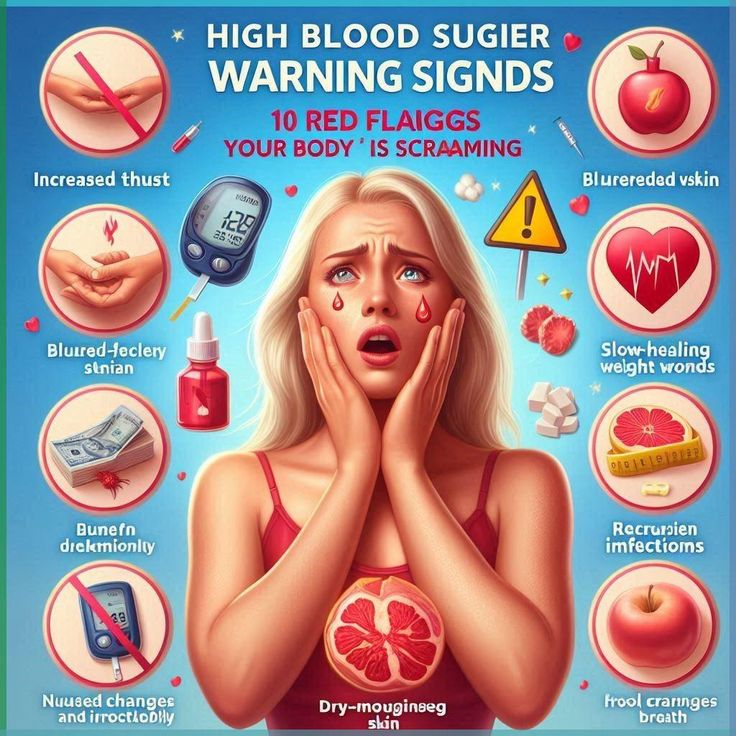
Here are ten signs that your blood sugar might be running higher than it should, even if you feel “fine.”
1. You’re Thirsty All the Time — And Peeing Constantly
This is the classic combination, and it happens for a straightforward physiological reason. When blood glucose rises above your kidneys’ threshold (about 180 mg/dL), sugar spills into your urine. Sugar pulls water with it through osmosis, so you urinate more. The fluid loss triggers thirst, which drives more drinking, which leads to more urination. It’s a cycle.
But here’s the subtle version: maybe you just notice you’re refilling your water bottle more often. Maybe you wake up once or twice to pee when you used to sleep through the night. Maybe you’re mildly thirsty in a way that water doesn’t quite satisfy. These quieter versions of the same mechanism often precede the dramatic “drinking gallons” stage.
Pay attention if your thirst and urination have increased gradually over months, especially if you wake multiple times nightly to pee.
2. You’re Exhausted — Especially After Meals
Blood sugar should rise modestly after eating, then insulin ushers it into cells for energy. When insulin resistance develops—the hallmark of prediabetes and type 2 diabetes—glucose can’t enter cells efficiently. It circulates in your bloodstream instead, and your cells are essentially starving for fuel despite sugar being available.
The result? Profound fatigue, particularly after carbohydrate-heavy meals. You eat lunch and feel like you need a nap. Not a gentle dip in energy — a crash that makes concentrating impossible. This post-meal slump is often one of the earliest signs of insulin resistance.
Pay attention if your energy crashes predictably after eating, especially after bread, pasta, rice, or sweets.
3. Your Vision Gets Blurry — Then Clears
High blood sugar pulls fluid from tissues everywhere, including your eye lenses. This changes their shape and ability to focus, causing temporary blurred vision. It might come and go—worse when your sugar is high, better when it normalizes. Many people assume they need glasses or that their eyes are just tired from screens.
This isn’t permanent retinal damage (that comes with long-term uncontrolled diabetes), but it’s an early warning that glucose is fluctuating enough to affect your eyes.
Pay attention if your vision blurs intermittently, especially after meals or during periods of high stress.
4. You Have Dark, Velvety Patches on Your Skin
Acanthosis nigricans is the medical term for dark, thickened, velvety skin patches that appear in body folds—the back of the neck, armpits, groin, under breasts, or on knuckles. It’s directly caused by high insulin levels, which stimulate skin cell growth.
This sign is particularly common in people with insulin resistance and is often visible before blood sugar even reaches diabetic levels. It’s frequently misidentified as poor hygiene or “just skin discoloration.”
Pay attention if you notice darkened, slightly raised skin in folds that doesn’t wash off and seems to be spreading.
5. You’re Hungry — Constantly
When glucose can’t enter cells due to insulin resistance, your body perceives starvation. Cells are screaming for energy, so your brain ramps up hunger signals. You eat, blood sugar rises, but the glucose still can’t get where it’s needed. You’re hungry again an hour later.
This isn’t willpower failure. It’s a biochemical signal that your metabolism is broken. Many people with early insulin resistance describe an almost compulsive hunger, particularly for carbohydrates.
Pay attention if you feel hungry soon after eating, crave carbs specifically, or find yourself snacking constantly without satisfaction.
6. Your Cuts and Scrapes Heal Slowly
High blood sugar impairs circulation, damages small blood vessels, and suppresses immune function. White blood cells — your infection fighters — don’t work as well in a sugary environment. Nutrients and oxygen don’t reach wounds efficiently.
You might notice a small cut takes two weeks instead of three days. A skin infection lingers. Your gums bleed more when you floss. These aren’t dramatic, but they’re clues that your body’s repair systems are compromised.
Pay attention if healing seems slower than it used to be or minor infections take longer to clear.
7. You Get Frequent Infections—Especially Yeast or Urinary
Glucose in urine and on skin surfaces creates a buffet for bacteria and yeast. Urinary tract infections become more frequent. Women may experience recurrent yeast infections or vaginal itching. Men can get balanitis (inflammation of the glans). Skin infections, including boils and abscesses, become more common.
Oral thrush—a yeast infection in the mouth causing white patches and soreness—is another red flag, particularly in people with dentures or weakened immunity.
Pay attention if you’re treating UTIs, yeast infections, or skin infections more often than you used to, especially if they’re recurrent.
8. You Have Numbness, Tingling, or Burning—Usually in Feet
High blood sugar damages nerves over time, a condition called diabetic neuropathy. It typically starts in the longest nerves—those reaching your feet—causing numbness, tingling, burning, or a “pins and needles” sensation. It often begins subtly, maybe just in your toes, and progresses upward.
Early on, it might feel like your foot “fell asleep” and never quite woke up. Or you notice reduced sensation when you stub your toe. Because pain signals are dampened, minor injuries go unnoticed and can become serious.
Pay attention if you have persistent tingling, numbness, or burning in your feet or hands, especially if it’s symmetrical (both sides).
9. Your Weight Is Shifting — Up or Down Unexpectedly
Insulin resistance often causes weight gain, particularly around the abdomen. Insulin is a storage hormone; when levels are chronically elevated, your body is in fat-storage mode. The visceral fat that accumulates around organs is metabolically active and drives further insulin resistance—a vicious cycle.
Paradoxically, unexplained weight loss can also signal high blood sugar, particularly in type 1 diabetes or advanced type 2. When cells can’t access glucose, the body breaks down muscle and fat for energy. This is usually accompanied by extreme thirst and frequent urination.
Pay attention if your weight is changing without intentional diet changes, especially if it’s concentrated in your midsection or accompanied by other symptoms on this list.
10. Your Mood and Cognition Feel Off
Your brain runs on glucose, but it needs a steady supply, not a rollercoaster. High and fluctuating blood sugar affects neurotransmitter balance, inflammation levels, and blood flow to the brain.
People with insulin resistance often report:
- Brain fog: Difficulty concentrating, forgetfulness, mental sluggishness
- Irritability: Blood sugar crashes trigger mood swings
- Anxiety: The physiological stress of glucose dysregulation can feel like anxiety
- Depression: There’s a well-established link between diabetes and depression, partly mediated by inflammation and metabolic dysfunction
These symptoms are frequently attributed to stress, burnout, or “just getting older.” But if they correlate with meals or improve when you eat low-carb, blood sugar may be the culprit.
Pay attention if your mental clarity and mood seem tied to when and what you eat.
Who’s Most at Risk?
Certain factors increase your likelihood of elevated blood sugar:
- Family history: Having a parent or sibling with diabetes significantly raises risk.
- Overweight or obesity: Particularly abdominal obesity.
- Sedentary lifestyle: Physical activity improves insulin sensitivity.
- Age over 45: Risk increases with age, though type 2 diabetes is rising dramatically in younger people.
- History of gestational diabetes: Increases future diabetes risk for both mother and child.
- Polycystic ovary syndrome (PCOS): Strongly associated with insulin resistance.
- Certain ethnicities: Higher rates in Black, Hispanic, Native American, Asian American, and Pacific Islander populations.
- Sleep apnea: Strongly linked to insulin resistance and type 2 diabetes.
- Chronic stress and poor sleep: Both raise cortisol and impair glucose regulation.
What to Do If You Recognize These Signs
Get Tested
Don’t guess. Simple blood tests reveal your status:
- Fasting glucose: Measures blood sugar after 8+ hours without eating. Normal is under 100 mg/dL, prediabetes is 100–125, and diabetes is 126 or above.
- Hemoglobin A1C: Reflects average blood sugar over 2–3 months. Normal under 5.7%; prediabetes 5.7–6.4%; diabetes 6.5% or above.
- Oral glucose tolerance test (OGTT): Measures how your body handles a standardized glucose drink. More sensitive than fasting glucose alone.
- Fasting insulin: Often overlooked, but reveals insulin resistance before blood sugar rises. High fasting insulin with normal glucose is early-stage insulin resistance.
Ask your doctor for an A1C and fasting insulin if you have symptoms or risk factors. Some functional medicine practitioners also use HOMA-IR (a calculated insulin resistance score) for earlier detection.
Act Early
Prediabetes is reversible for many people. Type 2 diabetes, while not always fully reversible, can often be put into remission with aggressive early intervention. The window for the easiest change is before diagnosis.
Lifestyle Changes That Actually Work
1. Cut refined carbohydrates and added sugars This is the single most impactful change. White bread, pasta, rice, pastries, sugary drinks, and most processed foods spike blood sugar and drive insulin resistance. Replace with whole foods: vegetables, legumes, intact grains, nuts, seeds, quality proteins, and healthy fats.
2. Prioritize protein and fiber at every meal Both slow glucose absorption and reduce insulin spikes. Aim for 25–30 grams of protein per meal and fill half your plate with non-starchy vegetables.
3. Move after meals A 10–15 minute walk after eating significantly blunts post-meal glucose spikes. Muscle contraction pulls glucose from blood without needing insulin.
4. Build muscle Resistance training improves insulin sensitivity and creates a “sink” for glucose. More muscle mass means better glucose disposal.
5. Improve sleep Poor sleep impairs glucose regulation in as little as one night. Aim for 7–9 hours, a consistent schedule, and a dark, cool room.
6. Manage stress Chronic cortisol elevation raises blood sugar. Meditation, breathing exercises, time in nature, and social connection all help.
7. Consider time-restricted eating Eating within an 8–10 hour window can improve insulin sensitivity, though it’s not right for everyone (avoid if pregnant, underweight, or with a history of eating disorders).
8. Monitor with a continuous glucose monitor (CGM) If available, a CGM provides real-time feedback on how specific foods affect your blood sugar. Even a few weeks of data is incredibly educational.
The Bottom Line
High blood sugar often hides in plain sight, disguised as normal aging, stress, or “just how I am.” The signs are there—thirst, fatigue, hunger, slow healing, infections, tingling, weight changes, and mood shifts—but they’re subtle enough to ignore until they’re not.
The tragedy is that this silence is temporary. By the time symptoms become undeniable, insulin resistance has often progressed significantly, and some damage may be irreversible. Catching it early, when lifestyle changes can still turn the ship around, is everything.
If you recognized yourself in multiple signs on this list, don’t panic. Get tested. Knowledge is power, and in this case, it might be the power to prevent a disease that currently affects one in ten Americans and costs billions in healthcare spending and lost quality of life.
Your body has been trying to tell you something. Maybe it’s time to listen.