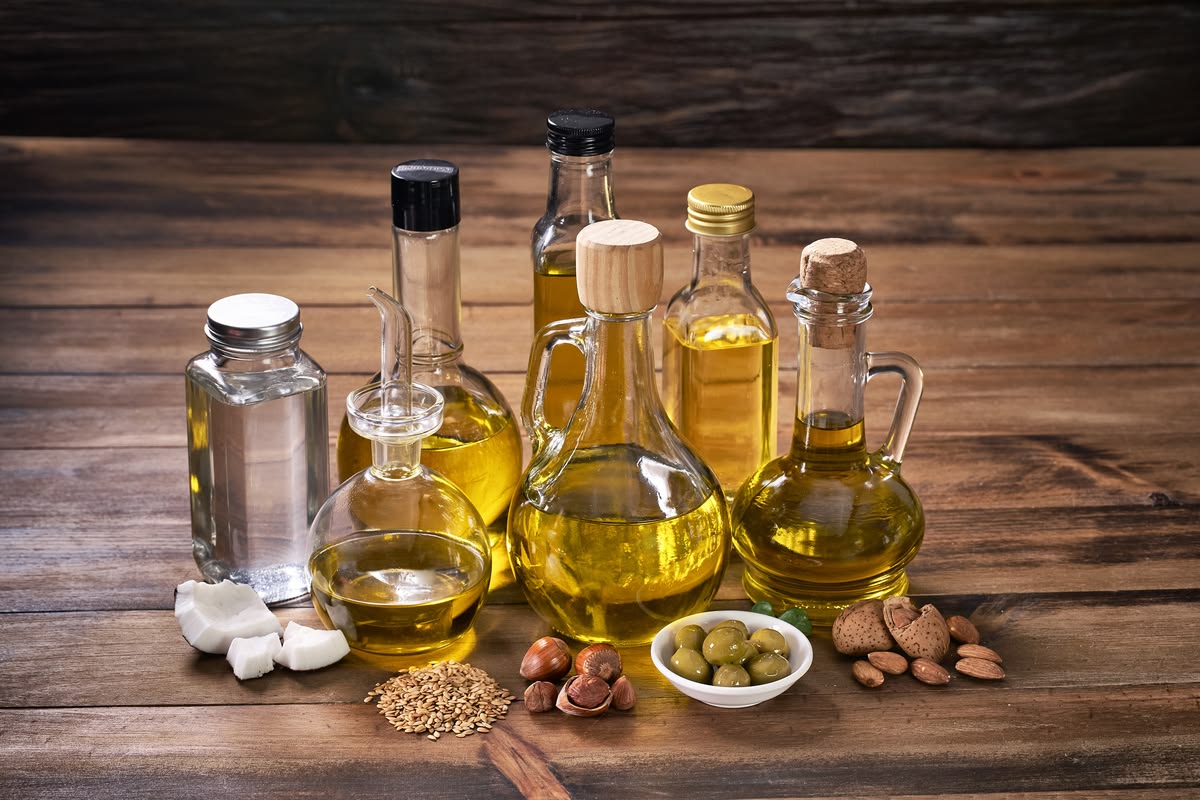
Few aisles in the grocery store generate as much genuine confusion as the cooking oil shelf. Olive, avocado, canola, coconut, sunflower, peanut, grapeseed — each one arrives with its own halo or its own warning label, often contradicting whatever you read last month. Adding to the noise, this has recently become a genuinely contested public health topic rather than a settled one: in 2026, the American Heart Association released updated dietary guidance reaffirming that plant oils like canola and soybean belong in a heart-healthy diet, while the federal government’s own 2025–2030 Dietary Guidelines for Americans moved in a different direction, and the U.S. health secretary has publicly criticized seed oils as harmful. That’s an unusual and genuinely confusing split between two sources people normally expect to agree on.
This article lays out what the cardiology and nutrition science establishment currently recommends; where the real, evidence-based concerns about certain oils come from; where the popular “seed oil” criticism has scientific support and where it runs ahead of the evidence; and how to actually choose an oil in your own kitchen—for both health and the practical realities of cooking.
The Core Framework: What Actually Drives the “Good vs. Bad” Distinction
Before ranking individual oils, it helps to understand the basic chemistry that the entire heart-health conversation around fat is built on.
Dietary fats fall into three broad categories: saturated fat, unsaturated fat (which splits further into monounsaturated and polyunsaturated), and trans fat. Saturated fats are typically solid at room temperature—think butter, lard, or coconut oil—while unsaturated fats are typically liquid at room temperature, like olive or canola oil.
The mainstream cardiology position, recently reaffirmed in the American Heart Association’s 2026 dietary guidance, rests on a body of clinical trial evidence showing that replacing saturated fat with polyunsaturated fat — and to a somewhat lesser extent, monounsaturated fat — reduces LDL (“bad”) cholesterol, a recognized causal risk factor for cardiovascular disease. Modeling studies built on this relationship link the saturated-to-unsaturated fat swap to a measurably lower risk of coronary heart disease. The Association’s current guidance specifically recommends choosing oils with fewer than 4 grams of saturated fat per tablespoon and avoiding partially hydrogenated oils (the primary source of artificial trans fat) entirely.
Trans fat deserves a category of its own, separate from the saturated/unsaturated discussion, because the evidence against artificial trans fat is about as close to scientific consensus as nutrition research gets. Found historically in partially hydrogenated oils used in many processed and fried foods, trans fats raise LDL cholesterol while also lowering protective HDL cholesterol — a double hit that makes them more harmful, gram for gram, than saturated fat. Regulatory action in the U.S. has sharply reduced artificial trans fat in the food supply over the past decade, but it’s still worth checking labels, since “partially hydrogenated oil” can still appear in some products.
The Best Cooking Oils for Heart Health
Olive Oil
Olive oil, particularly extra virgin olive oil, sits at the center of the most extensively studied heart-healthy eating pattern in the world—the Mediterranean diet. It’s predominantly made up of monounsaturated fat (specifically oleic acid), and extra virgin varieties retain antioxidant compounds like oleocanthal and oleuropein, along with vitamin E, that are largely stripped out during more refined processing. Olive oil is explicitly named in the AHA’s current and prior dietary guidance as a recommended nontropical plant oil.
Practical note: Extra virgin olive oil has a moderate smoke point — commonly cited in the 325–410°F range depending on quality and freshness — making it well suited to sautéing, roasting at moderate temperatures, and using raw in dressings, where its flavor and antioxidant content are best preserved. Refined “light” olive oil has a notably higher smoke point, often above 450°F, at the cost of much of the flavor and some of the antioxidant content, making it a reasonable choice when you want olive oil’s fat profile at higher cooking temperatures.
Canola Oil
Canola oil is one of the most heavily debated entries on this list precisely because of the broader seed-oil controversy, but it remains explicitly recommended in the AHA’s 2026 guidance alongside soybean and olive oil. It has a favorable fat profile — predominantly monounsaturated, with meaningful polyunsaturated content including both omega-6 and omega-3 (alpha-linolenic acid) fatty acids — and a relatively neutral flavor with a high smoke point (commonly cited around 400–475°F), making it genuinely versatile for high-heat cooking, baking, and frying.
Avocado Oil
Avocado oil has surged in popularity for good reason: it shares much of olive oil’s fatty acid profile—heavy in monounsaturated fat—while offering one of the highest smoke points of any commonly available cooking oil, frequently cited in the 480–520°F range for refined versions. That combination of a heart-healthy fat profile and high heat tolerance makes it a genuinely excellent all-purpose choice, particularly for searing, roasting, and other high-temperature methods where olive oil’s lower smoke point is less practical. It tends to cost more than canola or vegetable oil, which is its main practical downside.
Soybean and Sunflower Oil
Both are named directly in the AHA’s current guidance as recommended nontropical plant oils. Soybean oil is high in polyunsaturated fat and has a smoke point around 450°F, making it a common, affordable choice in both home kitchens and commercial food preparation. Sunflower oil’s profile depends heavily on the variety: standard sunflower oil is high in polyunsaturated fat, while high-oleic sunflower oil has been specifically bred for a higher monounsaturated fat content, giving it both a more olive-oil-like fat profile and a notably higher smoke point (commonly cited above 470°F)—worth checking for on the label if you want the more heat-stable version.
Other Solid Choices: Safflower, Peanut, Corn, and Grapeseed Oil
Each of these meets the AHA’s saturated fat threshold and offers a high smoke point suited to frying and high-heat cooking. Safflower oil, in particular, is well-adapted to high heat, with a smoke point commonly cited between 475 and 500°F. Peanut oil adds a distinct, mild nutty flavor that many cooks specifically favor for frying and stir-frying. Grapeseed oil is notably neutral in taste, though it’s worth knowing it’s quite high in omega-6 polyunsaturated fat—not a reason to avoid it, but a reason not to make it your only cooking oil if overall dietary balance matters to you (more on the omega-6 question below).
The Worst Cooking Oils for Heart Health
Partially Hydrogenated Oils (Artificial Trans Fats)
This is the most unambiguous entry on either list. Partially hydrogenated oils — once common in margarine, shortening, and many fried and packaged baked goods — should be avoided outright. The combination of raised LDL and lowered HDL cholesterol they produce represents one of the more clearly damaging dietary exposures identified in modern nutrition science, which is part of why regulatory restrictions have specifically targeted them. Check labels for “partially hydrogenated oil” in the ingredient list; if you see it, that’s a clear avoid, regardless of what else is on that list.
Palm Oil and Coconut Oil (Tropical Oils)
Both are grouped by the AHA alongside solid animal fats as “tropical oils” to limit, specifically because both are unusually high in saturated fat for plant-derived oils—coconut oil is roughly 90% saturated fat, a higher proportion than butter. While coconut oil has enjoyed periods of popular enthusiasm, partly tied to claims about its medium-chain triglyceride content and potential effects on a specific type of cholesterol, no large-scale clinical trials have established a net heart-health benefit, and the same studies that show modest increases in HDL (“good”) cholesterol from coconut oil also tend to show it raising LDL (“bad”) cholesterol as well—the same cholesterol marker most directly linked to cardiovascular risk. The practical guidance from most registered dietitians is to treat coconut oil similarly to butter: fine in moderation as one ingredient among many, not a health food to use as your primary cooking fat.
Animal Fats: Butter, Lard, and Beef Tallow
These are squarely in the “use sparingly” category under the AHA’s current guidance, given their relatively high saturated fat content. This is also, notably, the most directly contested point in the current public debate: the 2025–2030 federal Dietary Guidelines for Americans have moved toward encouraging the use of butter and beef tallow, a shift publicly championed by the current U.S. health secretary as part of a broader push against what he has called the “war on saturated fat” and against seed oils specifically. The AHA’s 2026 statement explicitly maintains the opposite position, citing the established clinical trial evidence on saturated fat and LDL cholesterol. This is a genuine, current disagreement between two authoritative bodies that would normally be expected to align—not a settled question and worth knowing about if you encounter confident claims from either direction.
Reused or Overheated Cooking Oil
Regardless of which oil you start with, reusing oil for multiple frying sessions or heating any oil past its smoke point repeatedly degrades its chemical structure, generating compounds — including aldehydes and other oxidation byproducts — that are associated with negative health effects independent of the oil’s original fat profile. The AHA’s own guidance is direct on this point: don’t reuse or reheat cooking oil, discard oil that smells off or has been stored too long, and avoid letting any oil reach its smoke point repeatedly. This is arguably a more practically important piece of advice than which specific oil brand sits in your pantry.
The Seed Oil Controversy: What’s Genuinely Disputed and What Isn’t
Given how prominent the “seed oils are harmful” claim has become in recent years, it deserves direct, even-handed treatment rather than being waved away or endorsed outright.
What mainstream cardiology bodies say: The AHA’s 2026 statement, the most recent and most authoritative update on this exact question, explicitly reaffirms that liquid non-tropical plant oils—including soybean and canola, two of the most criticized “seed oils”—belong in a heart-healthy dietary pattern, citing strong clinical trial evidence on LDL cholesterol reduction and more limited but real evidence on cardiovascular disease outcomes. Soybean and canola industry groups have, predictably, welcomed this conclusion, though the underlying clinical trial evidence on LDL cholesterol reduction long predates and is independent of that endorsement.
What critics argue: The core argument from seed oil critics centers on the omega-6 to omega-3 fatty acid ratios. Seed oils like soybean, corn, and sunflower oil are relatively rich in linoleic acid, an omega-6 fat, and modern diets in many Western countries have shifted toward a considerably higher omega-6-to-omega-3 ratio than was typical historically, partly driven by the prevalence of these oils in processed foods. Critics argue this imbalance promotes inflammation, since omega-6 and omega-3 fats are processed through some overlapping metabolic pathways. The current U.S. health secretary has taken this argument further in public statements, characterizing seed oils as actively harmful.
Where the evidence currently stands: The clinical trial evidence most directly relevant to heart disease outcomes—LDL cholesterol response—consistently favors polyunsaturated and monounsaturated fats over saturated fat, and this is the evidence base the AHA guidance is built on. The omega-6-and-inflammation hypothesis is more mechanistically plausible than conclusively proven at a population level; large human trials specifically testing whether reducing dietary omega-6 (independent of also reducing saturated fat or making other dietary changes) measurably reduces cardiovascular events are notably less robust than the trials underlying the saturated-fat guidance. In short: this is a real, current scientific and political disagreement, not a case of one side having no evidence at all—but the specific clinical trial evidence on cholesterol, the marker most directly tied to heart disease risk, currently favors the mainstream cardiology position rather than the seed-oil-avoidance position.
A reasonable middle path: If you find the omega-6 concern compelling, the practical response isn’t necessarily avoiding seed oils altogether—it’s diversifying your fat sources (using olive and avocado oil alongside soybean or canola oil, rather than relying on any single oil exclusively) and increasing omega-3 intake separately through fatty fish, walnuts, flaxseed, or chia seeds, which directly improves the ratio critics are concerned about without requiring you to take a side in an unresolved scientific debate.
Choosing the Right Oil for the Cooking Method
Heart health and cooking practicality intersect at the smoke point—the temperature at which an oil starts to break down and produce smoke, along with potentially harmful degradation compounds.
High-heat methods (searing, deep-frying, stir-frying at high temperatures): Refined avocado oil, safflower oil, refined peanut oil, high-oleic sunflower oil, and canola oil all hold up well, generally tolerating temperatures from roughly 400°F up to 500°F or more without breaking down.
Medium-heat methods (sautéing, roasting, baking): Standard canola oil, light/refined olive oil, grapeseed oil, and soybean oil all perform well in the 390–450°F range typical of these techniques.
Low-heat or no-heat uses (dressings, drizzling, finishing dishes): Extra virgin olive oil is the standout choice here, since its lower smoke point relative to refined oils is actually irrelevant when it’s not being heated, and this is exactly where its flavor and antioxidant content matter most. Unrefined, cold-pressed oils like walnut or flaxseed oil—both valuable for their omega-3 content—have quite low smoke points (sometimes cited around 225°F) and are best reserved for this category entirely rather than cooking.
A note on flavor versus refinement: Refined oils generally have higher smoke points than their unrefined, cold-pressed counterparts, but that processing also strips out some of the flavor compounds and, in oils like extra virgin olive oil, some of the antioxidant content as well. Keeping two versions of a favorite oil on hand — an unrefined one for finishing and a refined one for higher-heat cooking — is a common professional approach that balances both health and practicality.
A Few Practical Buying and Storage Tips
Check the saturated fat content directly on the label rather than relying on assumptions about a category of oil; the AHA’s benchmark of under 4 grams of saturated fat per tablespoon is a useful, concrete number to look for.
Avoid anything listing “partially hydrogenated oil” in the ingredients, even in small amounts.
Buy oil in quantities you’ll actually use within a few months, particularly for unrefined, less-processed oils, which degrade faster once opened. Rancid oil has a distinct off-smell—if you notice it, discard the oil rather than using it.
Store oils away from heat and light, which accelerate oxidation, and consider refrigerating delicate, polyunsaturated-rich oils like flaxseed oil to extend their usable life, even though this will cause some oils to solidify or cloud (canola oil is a notable exception that stays liquid when refrigerated).
Why Oil Choice Is Only Part of the Bigger Picture
It’s worth stepping back to note something the AHA’s own 2026 guidance emphasizes explicitly: oil choice, while genuinely meaningful, is one component of a much larger dietary pattern, and the association has deliberately shifted its framing in recent years away from focusing on individual nutrients in isolation and toward overall eating patterns. The current guidance highlights nine features of a heart-healthy diet together—including eating plenty of vegetables and fruits, favoring whole grains over refined grains, choosing healthy protein sources, and minimizing ultra-processed foods—with fat sources being just one piece among several.
This matters practically because it’s easy to fall into a mindset where swapping butter for olive oil feels like it has “solved” the heart-health question, when the oil itself is sitting on top of, say, a diet otherwise heavy in refined carbohydrates, processed meats, and minimal vegetables. The clinical trial evidence on saturated-versus-unsaturated fat and LDL cholesterol is genuinely strong, but it operates within — not instead of — the broader pattern of what and how much you’re eating overall. An excellent oil choice paired with an otherwise poor dietary pattern will not deliver the same benefit that the research on Mediterranean-style or other heart-healthy dietary patterns demonstrates, because those patterns were studied as integrated wholes, not as single-ingredient swaps.
This is also why the AHA’s guidance pointedly notes that heart-healthy dietary patterns tend to align well with risk-reduction guidance for other conditions too, including type 2 diabetes, certain cancers, kidney disease, and cognitive health—reinforcing that the underlying pattern, not any single fat source, is doing most of the protective work.
Quick Reference: Where Common Oils Land
To pull the above into an at-a-glance summary:
Favor regularly: Extra virgin olive oil, avocado oil, canola oil, and high-oleic sunflower oil—strong monounsaturated fat profiles, AHA-endorsed, and versatile across cooking methods when you account for smoke point differences.
Good, especially for variety: soybean oil, standard sunflower oil, safflower oil, corn oil, peanut oil, and grapeseed oil—all meet the AHA’s saturated fat threshold and are reasonable to rotate into regular use, ideally not relied on as your only oil given the omega-6 considerations discussed above.
Use sparingly, not as a primary cooking fat: Butter, lard, beef tallow, coconut oil, and palm oil are higher in saturated fat; they’re fine occasionally or in small amounts for flavor but not the foundation of a heart-healthy cooking routine according to current AHA guidance.
Avoid outright: Any product containing partially hydrogenated oil and any oil that has been reused for frying or has visibly degraded (off smell, discoloration, smoking before you expect it to).
The Bottom Line
If you want a single, well-supported takeaway from the current evidence: liquid, nontropical plant oils — olive, canola, avocado, soybean, sunflower, and similar options — remain the recommended foundation for heart-healthy cooking according to the most recent cardiology guidance, while tropical oils like coconut and palm, solid animal fats like butter and lard, and especially partially hydrogenated trans fats are the categories most consistently linked to higher cardiovascular risk and are best used sparingly or avoided.
The seed oil debate is real, current, and not fully settled — but it’s a disagreement about a more nuanced question (the optimal omega-6 to omega-3 ratio and its inflammatory implications) rather than a reversal of the much more established relationship between saturated fat, LDL cholesterol, and heart disease risk. You don’t have to fully resolve that debate to cook in a heart-healthy way: choosing primarily liquid plant oils, varying which ones you use, paying attention to your overall diet quality rather than any single ingredient, and never reusing or overheating oil will keep you solidly aligned with the evidence regardless of how the seed oil question ultimately settles.